Bringing Wellness to Everyday Stays, Not Just Resorts
Wellness tourism is no longer a niche side trip. The Global Wellness Institute estimates that wellness tourism spending reached about 894 billion dollars in 2024 and now accounts for almost one in five travel dollars worldwide. Global Wellness Institute
Travelers also say they want trips that help them feel better, not just see more. In one recent travel survey, 59 percent of respondents said they now prioritize wellbeing through spa treatments, healthy eating, sleep, exercise, and time outdoors. Condé Nast Traveler
For an owner operator group, that does not mean every property needs a spa wing. It means every stay should quietly support rest, movement, and healthier choices.
This is the heart of “micro wellness.” Small, visible actions that fit into select service and extended stay hotels, without changing the whole business model.
1. What guests mean when they say they want “wellness” today
Wellness used to mean a massage and a juice bar. Now most guests think about a fuller mix of needs. Large research efforts break wellness into areas like fitness, nutrition, sleep, and mental health. Hospitality Insights+1
Practically, guests look for five things on a normal trip:
Better sleep than they get at home
Articles on “sleep tourism” and new sleep focused hotel packages keep growing. Hospitality Net highlights a wave of offerings centered on quiet rooms, blackout drapes, and upgraded beds. Hospitality Net+1A way to keep moving
Business travelers say that access to a gym or active options helps them stay productive and feel better on the road. BCD Travel+1Healthier food choices that are easy, not preachy
In a recent survey summarized by Life Fitness and BCD Travel, more than half of business travelers valued help finding healthier menus, and more than a third valued access to fitness or movement options. LifeFitness+1Mental decompression
A growing number of travelers say their main goal is rest and recharge. That can mean quiet rooms, simple spaces, and time without pressure to “do it all.” New York Post+1Connection with nature or fresh air
Wellness tourism trend reports highlight nature and local outdoor experiences as core parts of a modern wellness trip, not extras. Global Wellness Institute+1
For everyday hotels, the question becomes simple. Where can we reduce friction and add calm in each of these areas, without big build outs?
2. Upgrading fitness spaces in smaller footprints
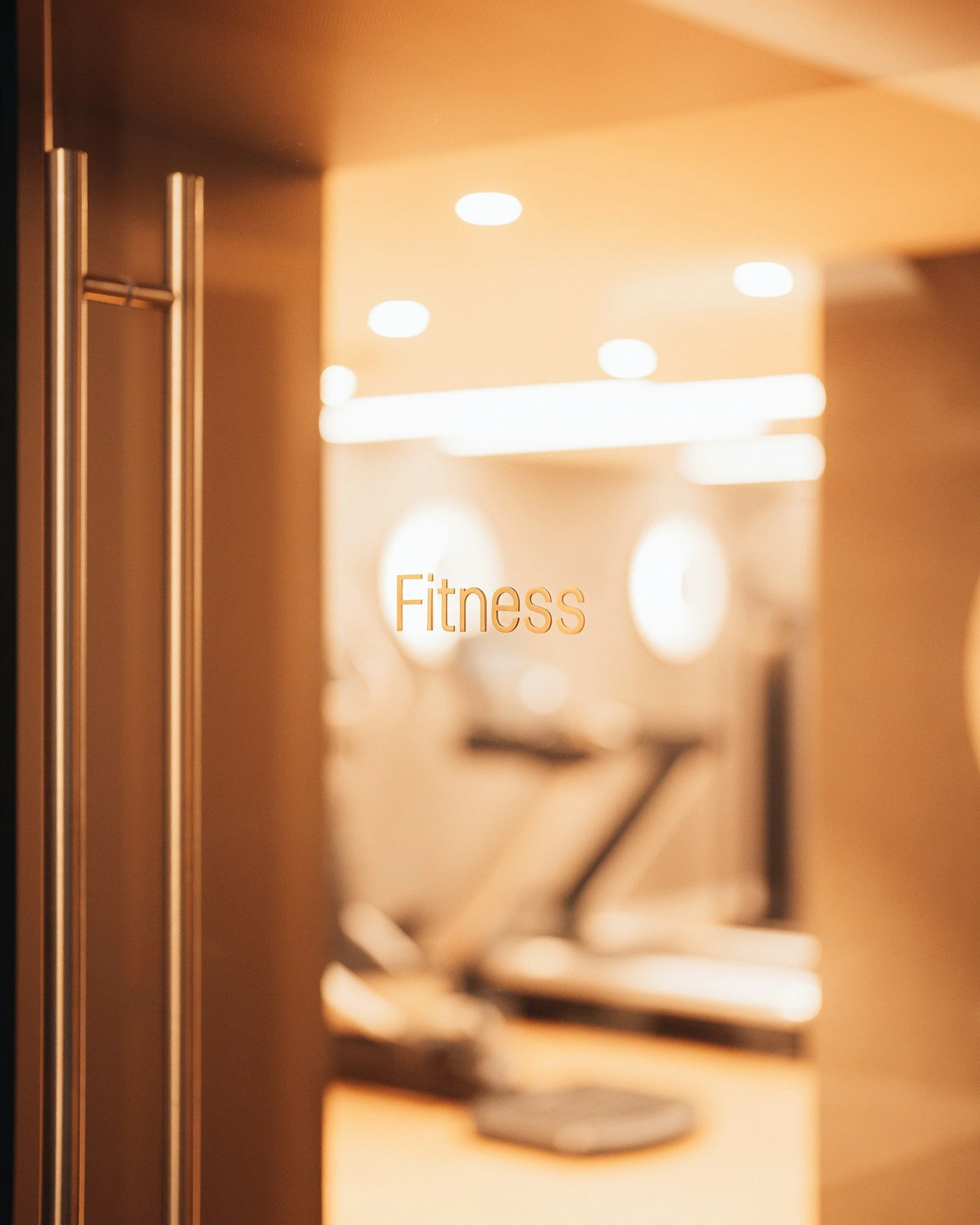
You do not need a huge fitness floor to meet guest expectations. You do need a space that feels intentional, open, and safe.
Research used by Accor and others suggests that having a gym on site makes a hotel more attractive to roughly a third of travelers. advantagefitness.com+1
What guests actually use
Travel wellbeing studies point to three main needs for on the road fitness. LifeFitness+1
Short, efficient cardio sessions
Basic strength and mobility work
Enough space to stretch or do bodyweight routines
For a compact hotel gym, a strong baseline looks like:
Two to four pieces of reliable cardio equipment (treadmills, bike, elliptical or rower)
A rack of dumbbells that reaches at least 40–50 pounds
One cable or multi functional machine
A bench, mats, and simple mobility tools like foam rollers
Cold water, towels, wipes, and clear cleaning cues
Lighting and layout matter as much as equipment. Natural light, mirrors that open the room, and simple wayfinding make the space feel larger and more inviting.
Owner checklist for a small footprint gym
Open at least 5 am to 11 pm, ideally 24 hours
Clear posted rules and simple safety guidance
Wi Fi and outlets for guests who stream workouts
Quarterly equipment checks with a basic log
One or two printed “10 minute travel workouts” in the room and in the gym
These upgrades support wellness and create a clear story for sales teams when they speak with sports teams, corporate accounts, and health conscious leisure guests.
For example, TNB Hotels Tucson property is finishing a massive wellness upgrade in terms of a 2000 sq ft fitness facility on par with many stand alone gyms. Tons of variety, huge mens and womens locker rooms and an elevated feel from our prior setup which was about 350 sqft with a limited selection.
3. Sleep quality: beds, pillows, blackout, and noise
If wellness has a core in hospitality, it is sleep.
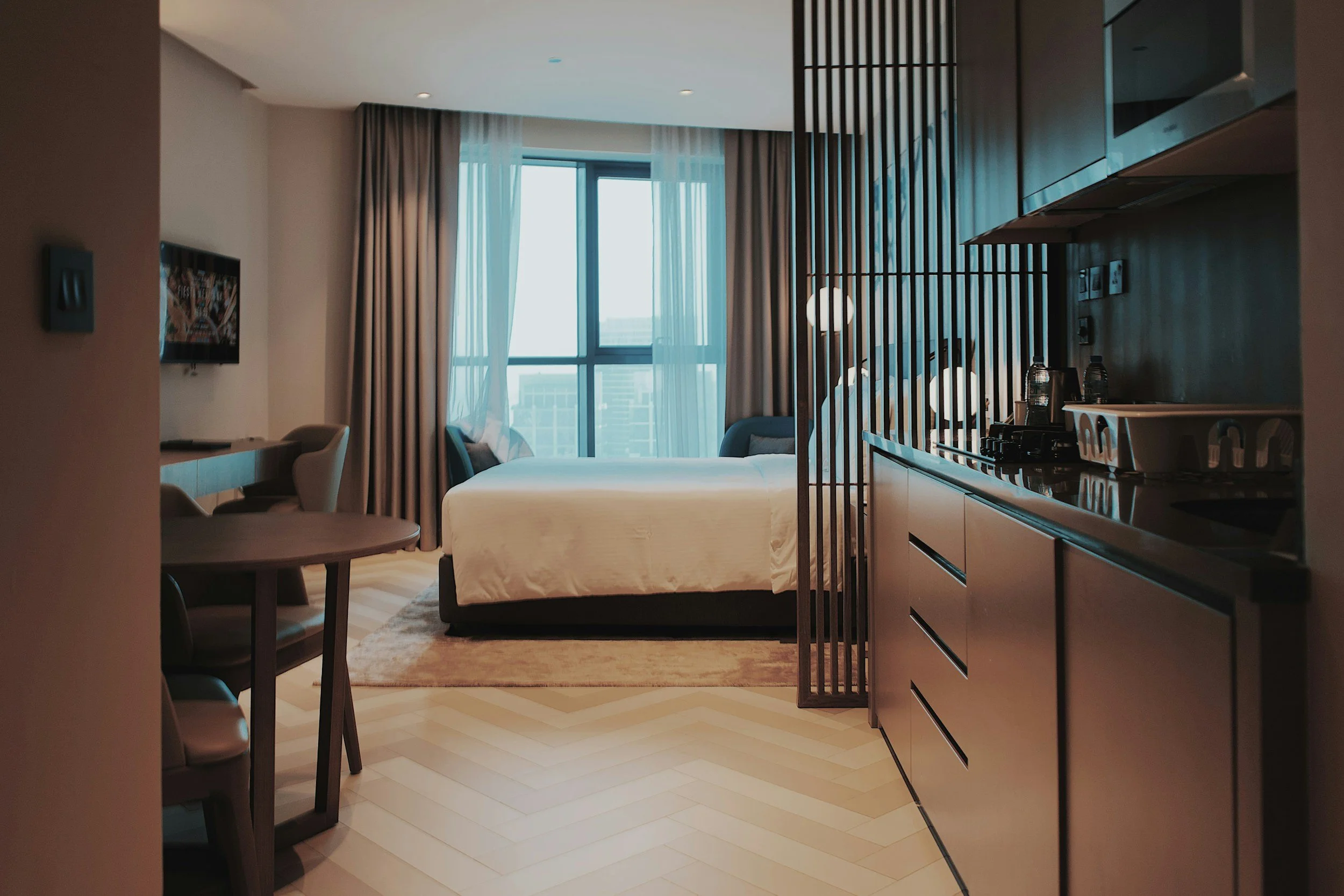
A study published in a hospitality journal found that uncomfortable bedding and HVAC noise are major causes of poor hotel sleep. The same study showed that sleep satisfaction is one of the strongest predictors of overall guest satisfaction with a stay. PMC
The Global Wellness Institute’s guide to restorative sleep in hotels points to a small set of fundamentals. Dark rooms, quiet construction, comfortable temperature, and supportive bedding. Global Wellness Institute
Practical sleep wellness moves for everyday hotels
You do not need branded “sleep suites” to compete. Start with:
Blackout that actually blocks light
Ensure curtains overlap and track to stop light leaks. Consider layered sheers and blackout panels so guests can choose. Patak TextileQuiet, not just “within spec,” rooms
Seal gaps at doors, reduce rattling vents, and use soft materials to absorb sound where possible.Reliable temperature control
Give guests clear controls and avoid aggressive motion sensors that shut off overnight. Sleep research points to a cooler room as ideal. Global Wellness Institute+1Good mattresses and varied pillows
Offer a mix of firm and soft pillows on the bed, and replace mattresses on a set schedule instead of waiting for complaints. Patak Textile+1Simple pre sleep cues
Bedside dimmers, warm light, and a short “sleep tips” card that includes quiet hours and Wi Fi instructions.
These are all micro wellness features. Each one supports the real reason many guests booked the room in the first place. They want a full, uninterrupted night of sleep.
4. Breakfast and marketplace: “better for you” without a full health bar
Wellness focused travel reports show that guests increasingly seek healthier food, but they also want convenience. Many say they value hotels that help them find healthy options, both on site and nearby. LifeFitness+2LifeFitness+2
You do not need to run a full restaurant to respond. Small tweaks in breakfast and grab and go can shift the feel of the entire stay.
Simple breakfast shifts
Add high protein items like Greek yogurt, boiled eggs, or nut butters
Offer at least one whole grain option and clearly label it
Provide fresh fruit that guests can take with them
Remove a few lowest moving pastries and replace them with higher quality items rather than adding more sugar
Marketplace and lobby bar
Make it stand out
Whatever it is, the way you tell your story online can make all the difference.
Stock at least one row of better snacks: mixed nuts, jerky with simple ingredients, sparkling water, low sugar drinks
Keep a small “wellness corner” with electrolyte packets, herbal teas, and perhaps a simple sleep tea blend
Add clear labels for allergies and dietary needs
Travelers say these choices help them feel more in control of their health on the road, even if they are not on a strict plan. IGES+1
5. Using patios, walking paths, and local parks as wellness features
Nature is a powerful wellness driver, and current wellness tourism reports emphasize outdoor experiences across city, resort, and rural stays. Global Wellness Institute+2IGES+2
Everyday hotels often have more to work with than they realize. A small patio, a safe sidewalk loop, or a nearby park can become part of the wellness story.
Turn existing spaces into “micro wellness” zones

Upgrade outdoor seating with comfortable chairs, shade, and soft lighting
Add plants or simple landscaping that softens hard edges
Provide blankets or heaters in colder markets so the space stays usable
Help guests find everyday nature
Map a 10, 20, and 30 minute walking loop from the front door
Highlight nearby parks, lakes, or trails with distance and difficulty
Train front desk teams to suggest a quick outside walk for guests who ask about “something relaxing to do”
These small touches help guests decompress without needing a structured activity or paid service.
6. Pairing wellness with longer stays and bleisure guests
Workations and bleisure trips keep growing as more roles allow remote or flexible work. Hospitality commentaries describe hotels adding wellness focused amenities to support these longer, blended stays, from better desks to movement options and healthier food. Aloft Trophy Club Westlake+2IGES+2
Extended stay and select service hotels are well placed for this trend. Guests stay longer, spend more time on property, and often care more about how they feel at the end of the week.
Practical ideas for longer stay wellness
Room setup
Ensure a clear separation between work and sleep where possible. Good chairs, lighting, and plenty of outlets in the work zone. Softer light and fewer screens near the bed. Global Wellness Institute+1Move friendly routines
Promote the fitness room and walking loops at check in, not just in a binder. Offer a simple “weekly movement” card with short routines.Laundry and hydration
Keep guest laundry smooth and visible. Stock refillable water stations in public areas, and clearly sign them.Wellness focused long stay offers
Instead of spa credits, frame offers around early check in, quiet room placement, extra housekeeping flexibility, or a weekly healthy snack box.
These moves line up with what many guests already want: to return home from a trip feeling better, not worse.
7. How an owner operator can move first
For a group like TNB Hotels, wellness is not a separate product line. It is a lens for many small operating choices.
A practical starting roadmap:
Audit one property’s fitness room, breakfast, sleep features, and outdoor access.
Choose three low cost upgrades in each area.
Train teams on how to talk about those upgrades with guests.
Capture simple before and after feedback in reviews and guest surveys.
Roll the best ideas across the portfolio.
Wellness does not have to mean robes and treatment rooms. In everyday hotels it can mean a quiet room, a decent workout, a better breakfast, and ten quiet minutes outside.
Those are the touches guests remember. Those are also the touches that keep them coming back.